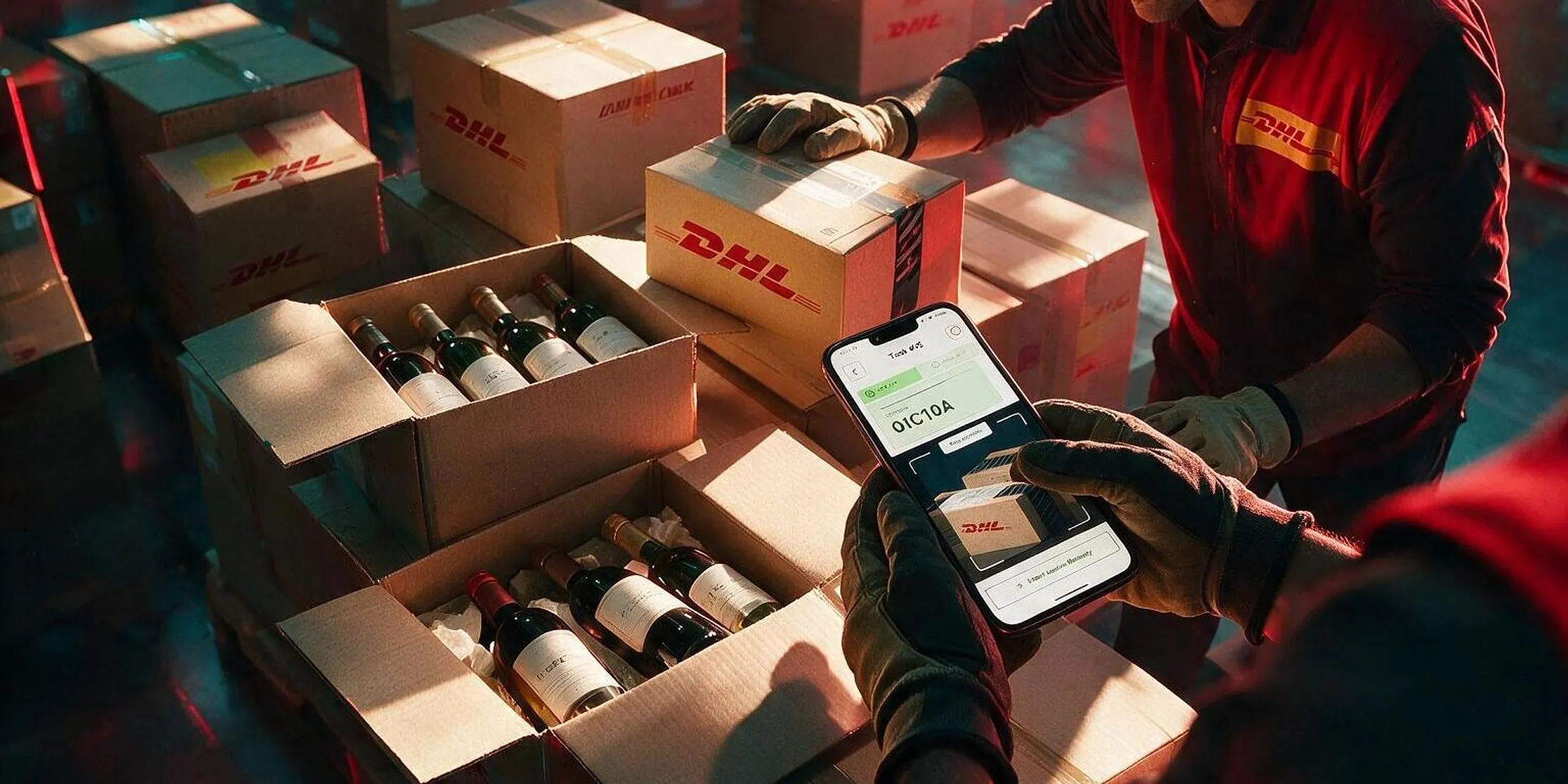

Supply Chain Software for Warehouse Traceability
Improving inventory traceability across complex warehouse operations
DHL needed to improve complex warehouse operations with limited inventory traceability and accountability. Their existing app didn’t reflect real warehouse conditions, so we redesigned the experience and built an iOS app that structured workflows and improved activity tracking.
About the client
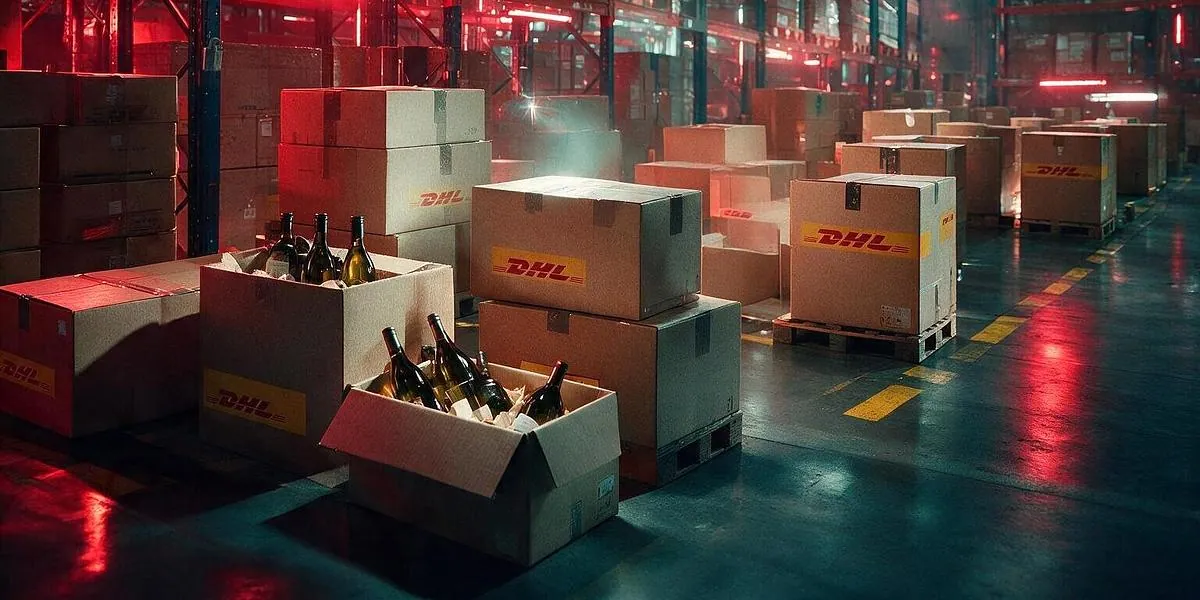
DHL is one of the world’s largest logistics companies, operating across more than 220 countries and territories. Its supply chain business manages complex warehousing and distribution environments.
The California operation behind this project handled premium alcoholic beverages coming from boutique producers, with shipments varying substantially in pallet size, packing, bottle format, and handling requirements.
Limited inventory traceability made warehouse operations harder to track
Dozens of DHL workers manage logistics for wine distribution across multiple US states, and their biggest friction point was inbound receiving. DHL was handling premium beverage shipments that varied significantly in pallet size, packaging, and bottle format, making the process difficult to standardize.
Pallets could arrive without being consistently tracked through the next step, and scans did not always preserve who had performed each action. In some cases, items were received but not immediately stored, making their status harder to trace later.
The existing setup also created accountability gaps. Shared scanning devices could remain open under a previous worker’s session, while damage reporting lacked a structured way to capture evidence and build a reliable history.
Traceability was only part of the problem. The existing app also needed a significant UX/UI redesign to reflect the conditions in which warehouse workers actually used it. Employees often worked in very low-light environments and while wearing gloves, making readability, contrast, and ease of interaction critical to completing everyday tasks.
What was the risk of having poor operational visibility?
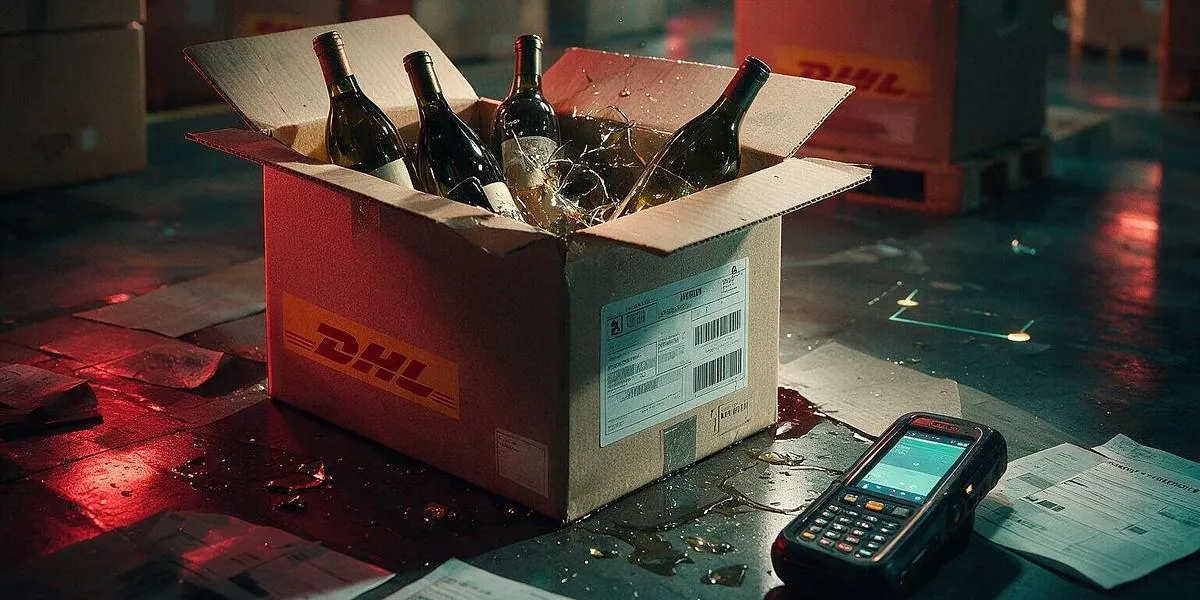
The lack of traceability had direct business consequences. When products moved through the facility without a reliable record of who handled them or when each step happened, managers had less information to investigate errors, understand delays, or identify where processes were breaking down. As a result, issues could remain unresolved or recur, leading to additional labor, operational delays, product losses, and higher costs.
That mattered even more when handling high-value products. The team recalled individual bottles worth around $800, so damage was not a minor issue. Without structured evidence, incidents could be reported without enough context to determine responsibility, identify recurring patterns, or take corrective action to prevent similar incidents from happening again.
What was at stake was control over inventory movement, responsibility, and the information managers needed to make better operational decisions.
What DHL needed to improve across the logistics flow
- DHL wanted to bring more structure and control to a complex logistics operation without disrupting the workflows already running day to day.
- The goal was to make inventory movement and worker responsibility easier to follow from inbound through outbound.
- The project also needed to create a more reliable way to document incidents and generate operational data that could support better decisions over time and future warehouse efficiency improvements.
Eagerworks’ role in improving DHL’s warehouse operations
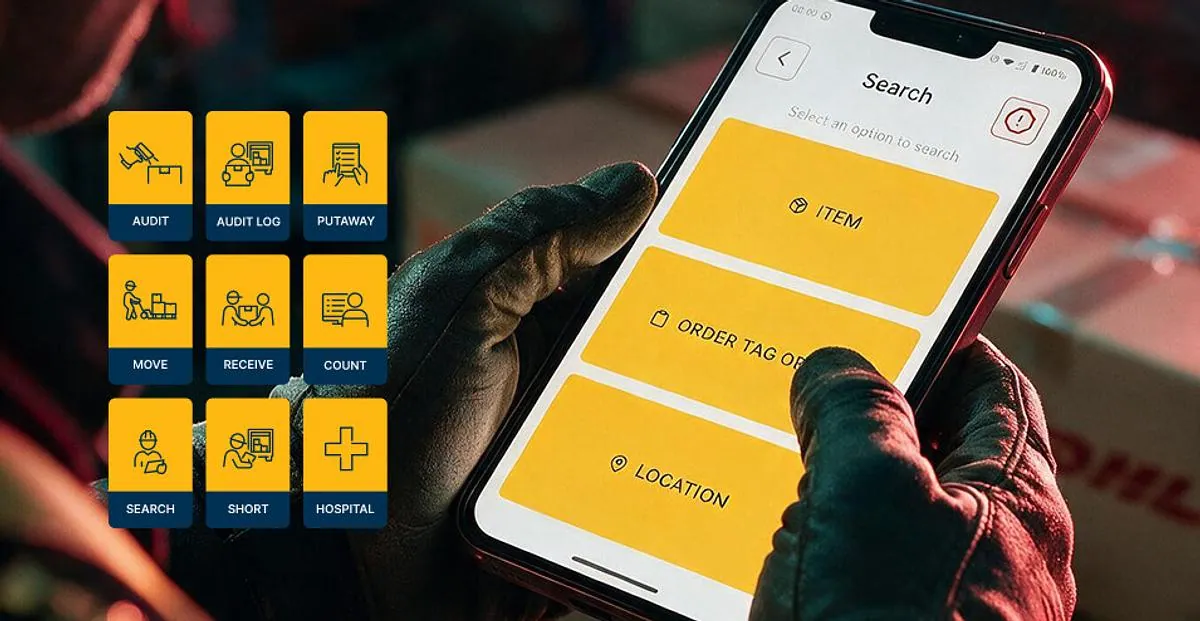
We focused on improving the operations and experience at DHL warehouses by working as DHL’s design and development partner. We helped translate operational requirements into a mobile app and adapted the implementation as new constraints emerged during the project.
Our team took ownership of the mobile implementation and UX/UI redesign, while also advising on product and technical decisions whenever trade-offs or infrastructure constraints arose. These decisions were shaped collaboratively with DHL stakeholders, which remained closely involved in reviewing progress and validating how the app fit day-to-day workflows.
Need a partner to think through your next product decision?
Talk to our teamHow did we work? A progressive rollout built around real-world use
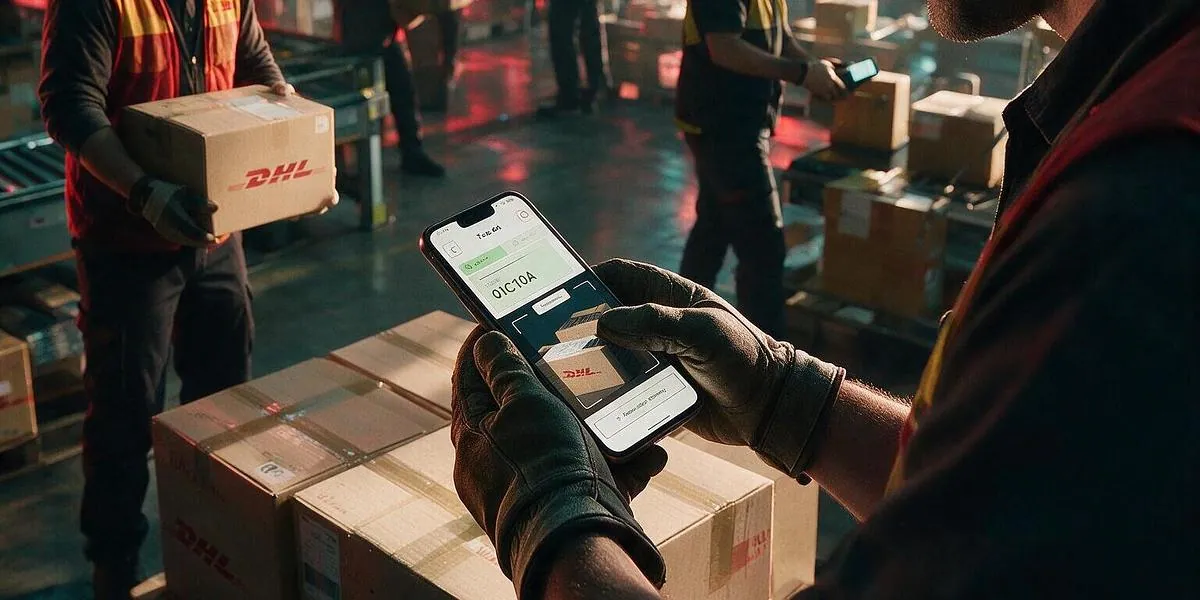
The project was organized in sprints using Scrum Framework, giving DHL continuous visibility into what was being built. Progress was shared incrementally, allowing decisions, risks, and changes to be discussed throughout the engagement and enabling the team to adapt as the solution evolved. When a different approach was needed, we explained the trade-offs behind our recommendation and aligned with DHL on the path forward as the solution evolved.
The rollout followed the same progressive approach. The mobile app was tested live with warehouse workers over several days and then introduced section by section, allowing the team to validate the experience under real working conditions before expanding adoption across warehouse operations.
The project brought together mobile development, UX/UI design, DHL stakeholders, and external project partners, combining different perspectives as the solution was tested and adapted inside a live warehouse operation.
Redesigning the app for real warehouse conditions
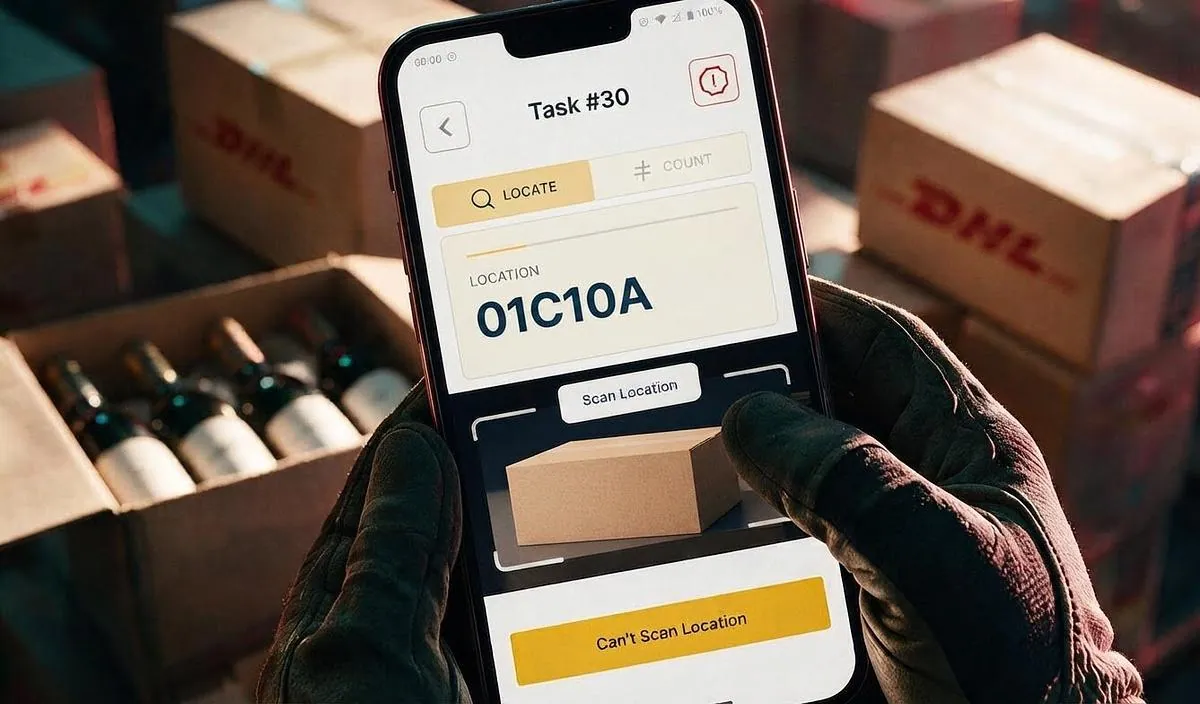
The existing app needed a UX/UI redesign that reflected how warehouse workers actually used it and the accessibility requirements of real warehouse operations. DHL employees often worked in very low-light conditions, with limited visual contrast, and while wearing gloves to handle alcoholic beverages.
Those constraints directly shaped the interface. The redesign introduced larger touch targets, larger typography, and stronger contrast to make critical actions easier to see and use under those conditions.
Thus, accessibility was treated as an operational requirement rather than a visual preference. The UX was simplified around the scenarios workers could realistically encounter, so the app remained usable when visibility and dexterity were limited.
Key product and technical decisions behind the transformation
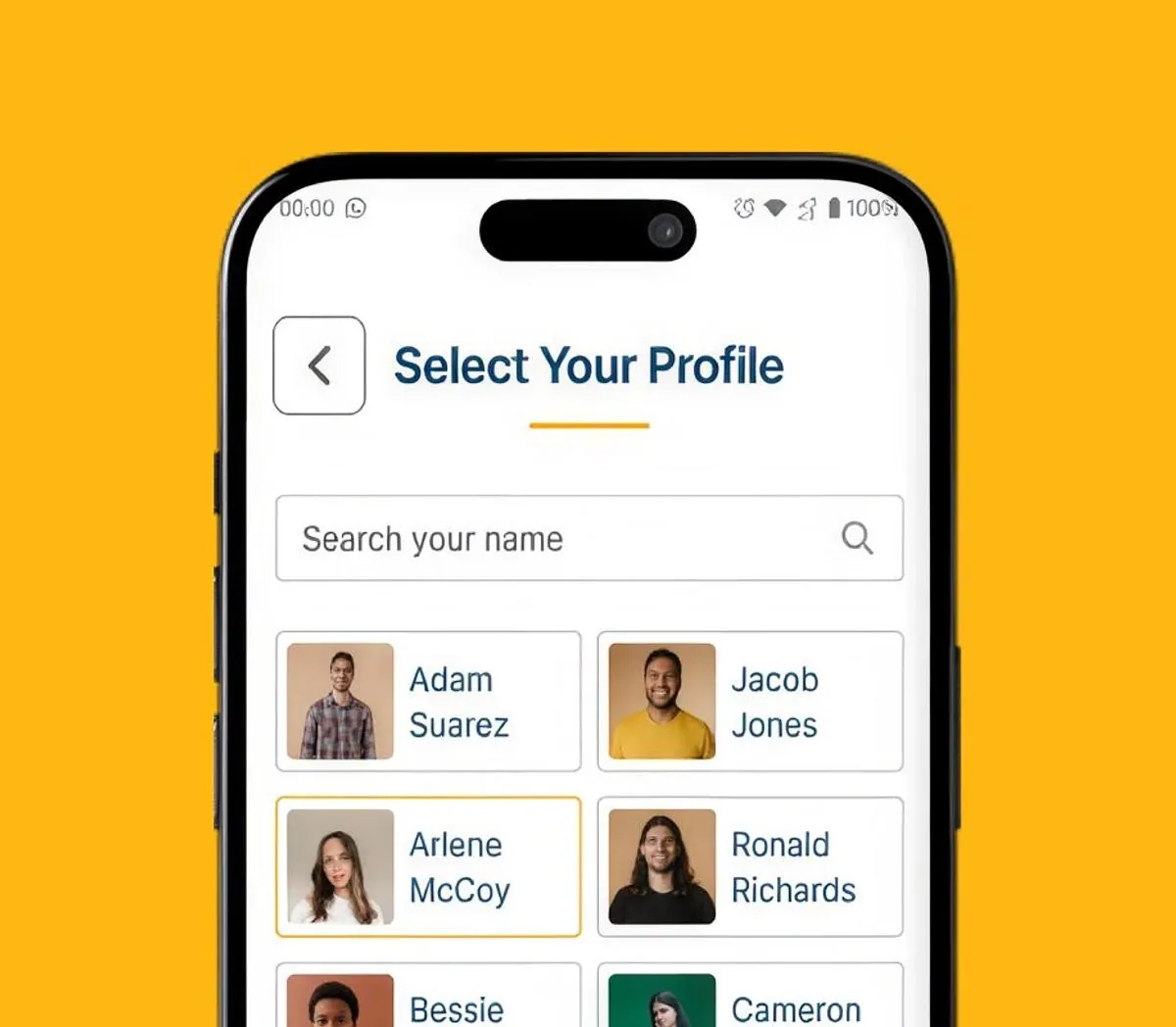
Replace shared scanning sessions with accountable mobile access.
The existing scanners could remain active under one worker’s identity even after someone else took over the device. That made it difficult to know who had actually performed a scan or where an error originated.
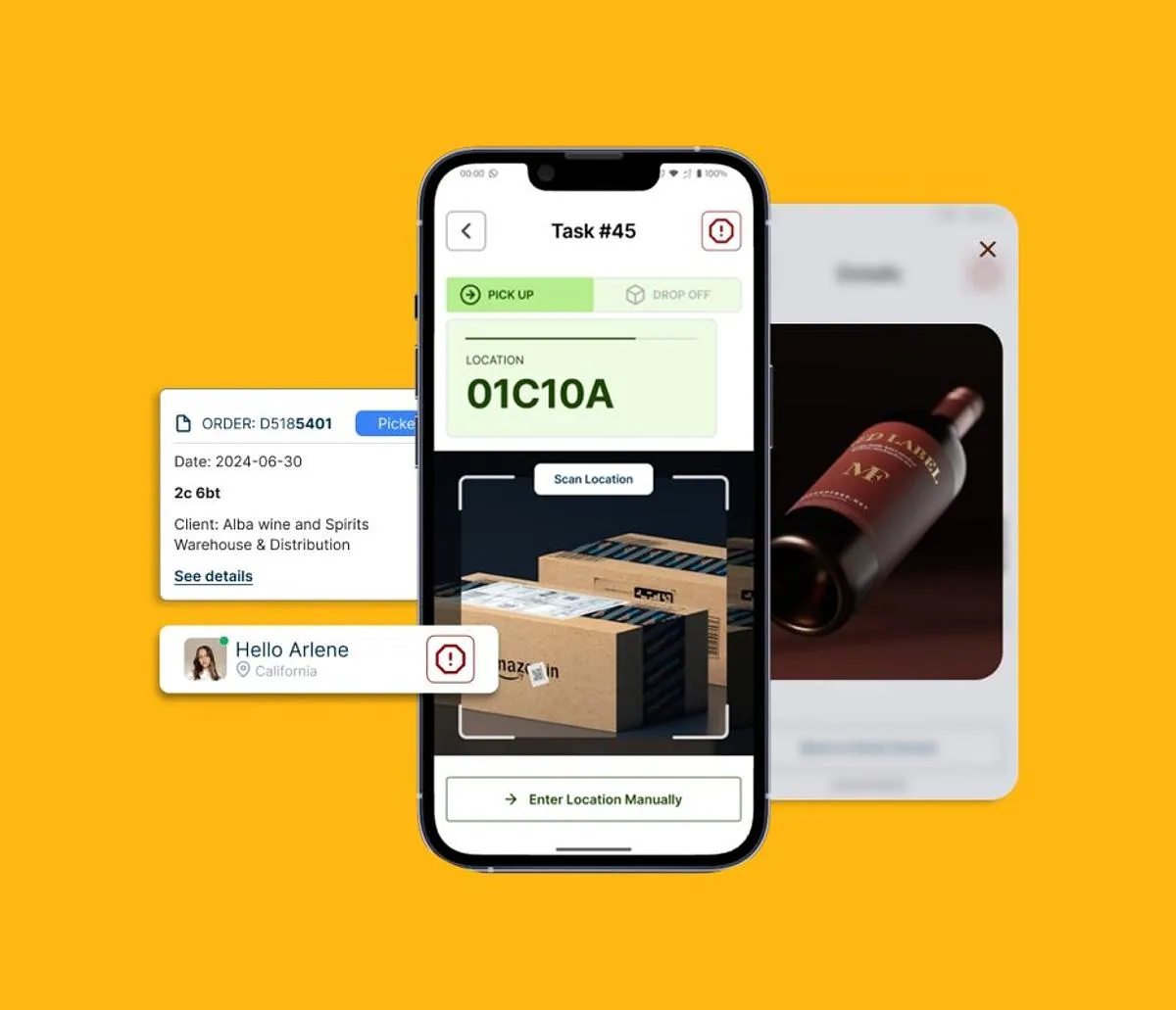
We moved the workflow to a mobile app built with React Native and Expo for iPhones, with individual user sessions and automatic locking after inactivity. The trade-off was adding more authentication friction during the day, but the benefit was much stronger accountability and a more reliable inventory tracking experience for day-to-day warehouse use.
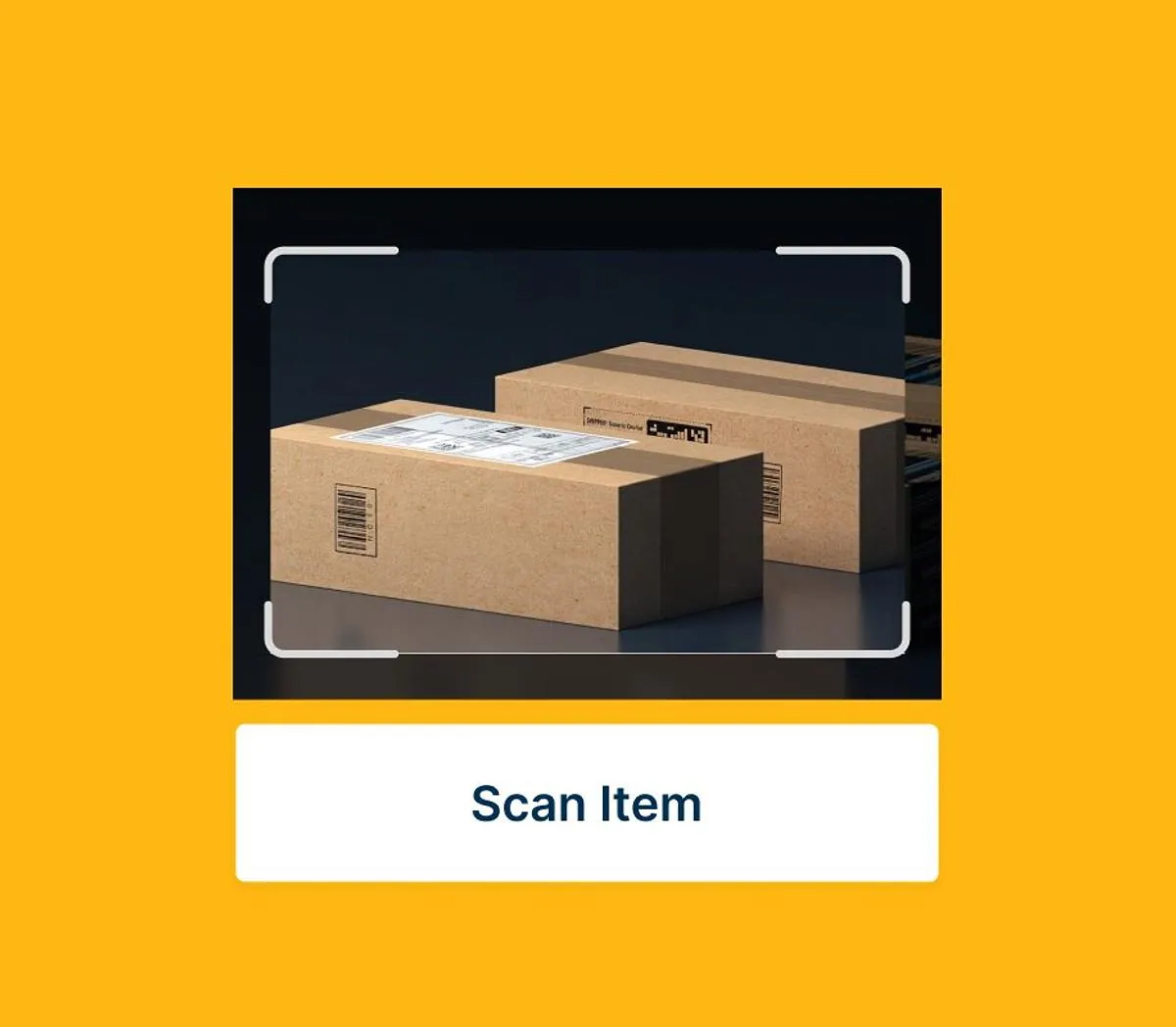
Make scanning and labeling work across the full logistics flow.
Scanning was not limited to a single step in the process. Workers needed to use it across receiving, transfers, returns, and item tracking, while inconsistent warehouse labeling made locations harder to maintain and identify.
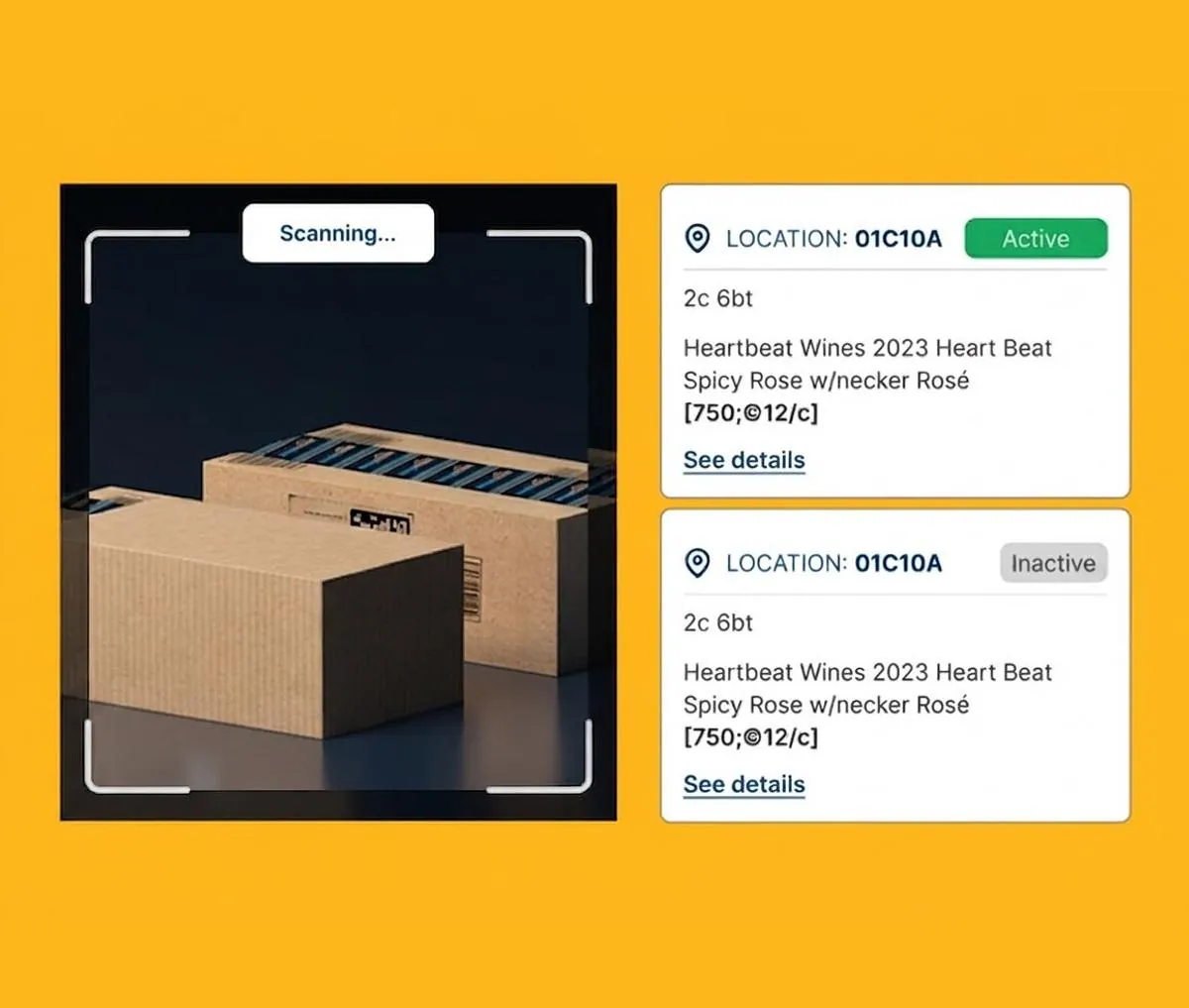
The mobile app introduced a dynamic scanner across these workflows, while the warehouse labeling system was restructured to support consistent ID reprinting and clearer aisle organization. This created a more consistent connection between physical locations, inventory movement, and the digital workflow.
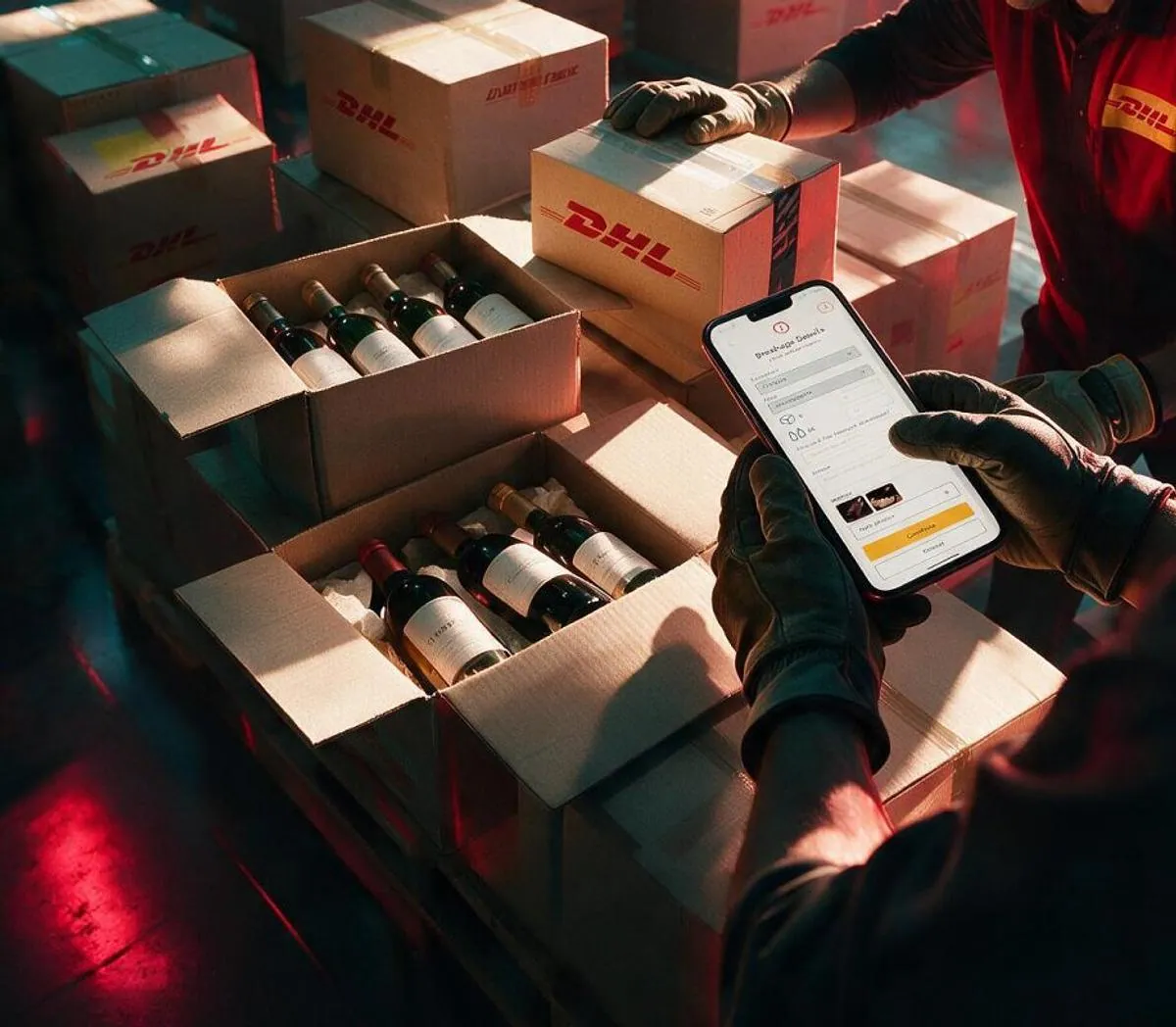
Roll out progressively instead of changing the full operation at once
Switching the entire operation at once would have increased the risk of discovering usability or process issues after launch. Instead, the team chose a progressive rollout, testing the app with real workers and expanding section by section. The approach took longer than a single cutover, but reduced disruption risk and allowed the team to learn from real usage before scaling adoption.
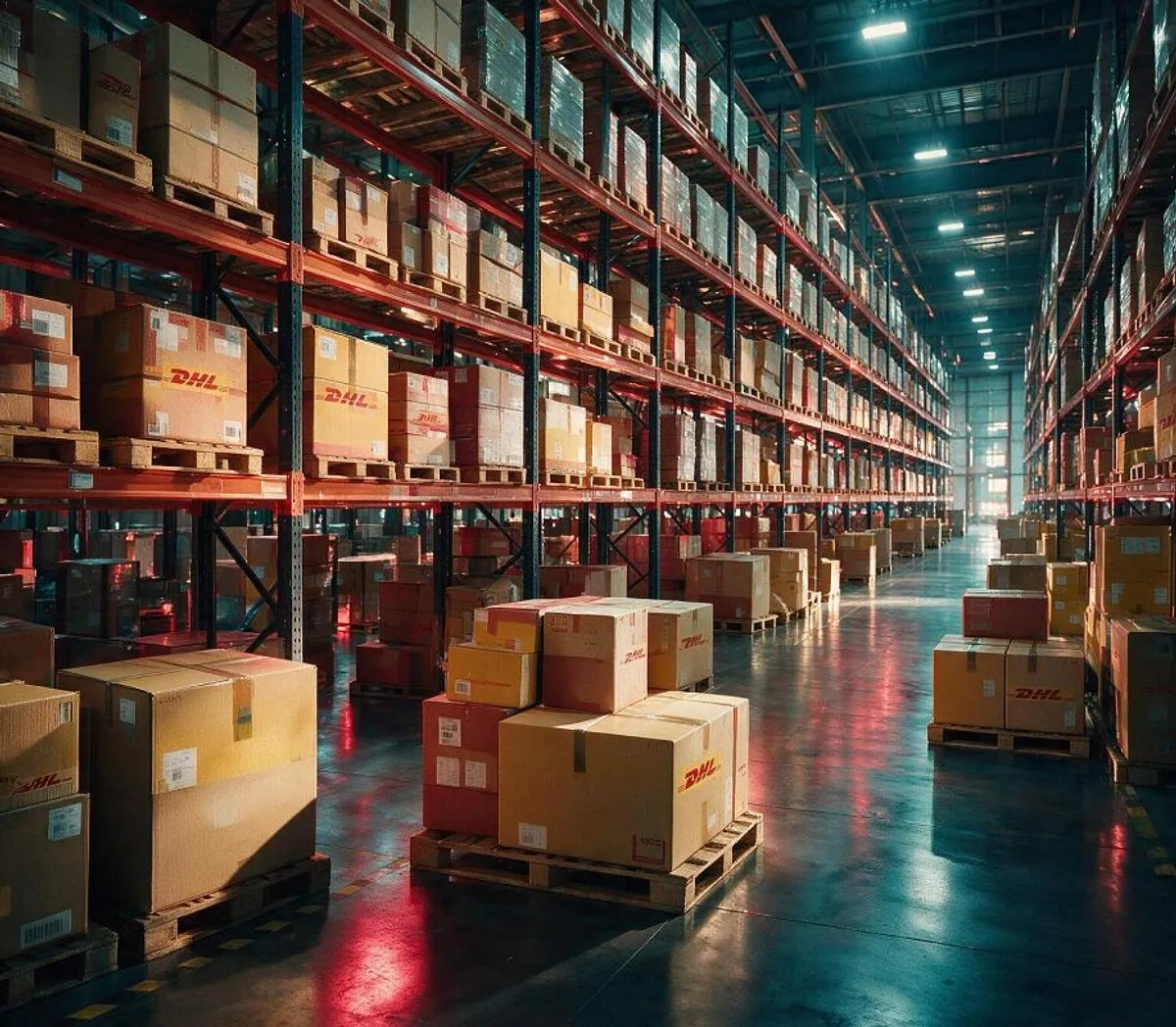
Address connectivity as part of the operational system
A mobile workflow could only work reliably if workers had connectivity throughout the facility. Because Wi-Fi coverage was part of the existing operational constraint, we also supported hardware improvements to extend coverage across the warehouse.
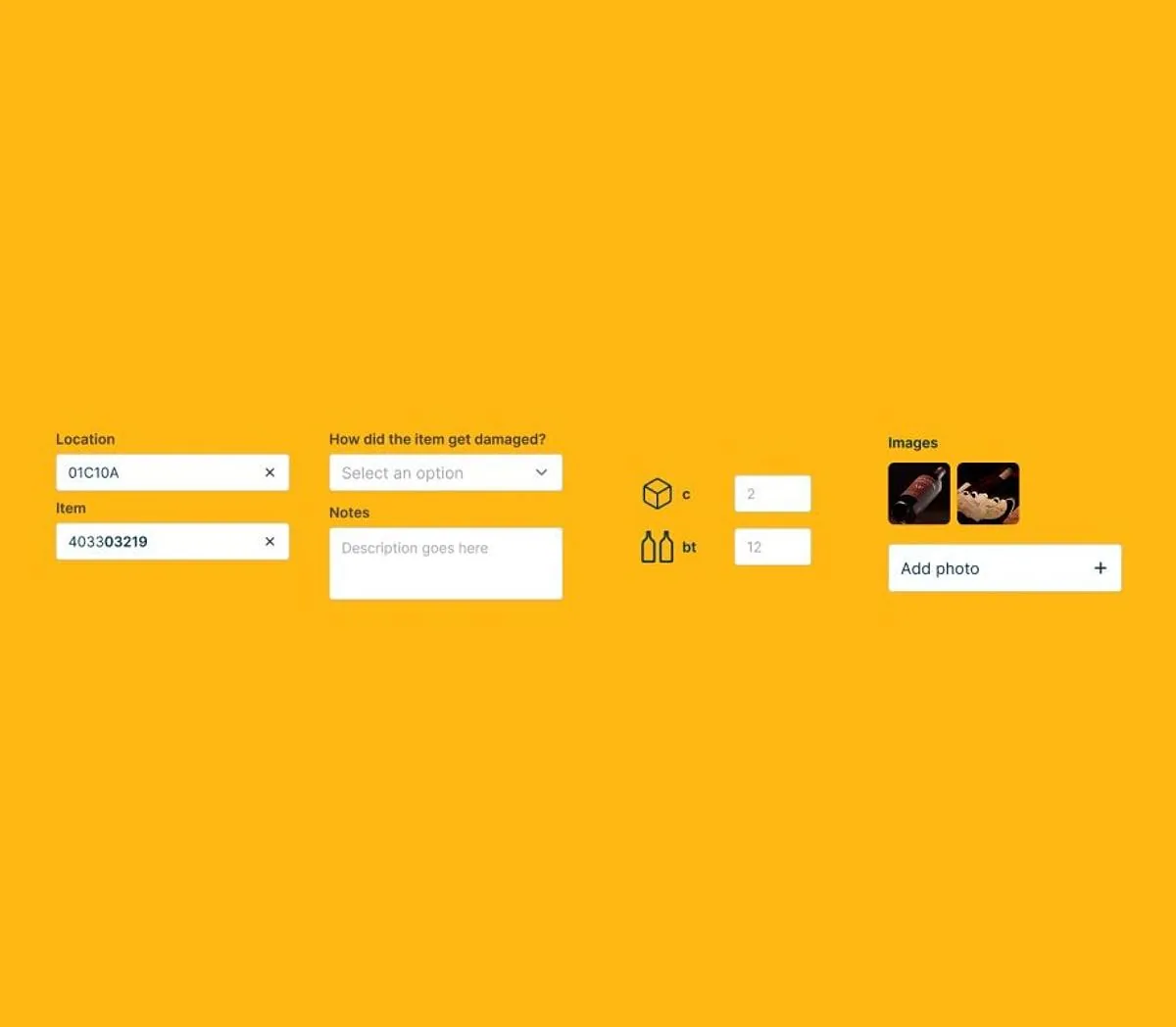
Capture incidents as data, not just notifications
Previously, a damaged product could simply be reported as broken. That left limited context for understanding what had happened, determining responsibility, or recognizing recurring issues.
The new workflow allowed workers to document incidents with photos or video and preserve that information for managers. Over time, repeated damage could become insights and patterns that they could act on and prevent, such as recommending a packaging change when the same product repeatedly arrived damaged.
Working with inefficient operations?
Talk to our teamWhat changed after launch? From fragmented activity to end-to-end traceability
-
Product outcome
The new mobile app created a consistent activity history, including who performed each action, when it happened, and where an item was in the process.
-
User outcome
Warehouse workers had a clearer mobile workflow with larger touch targets, more legible typography, and stronger visual contrast for low-light, glove-on working conditions.
-
Operational outcome
DHL gained a greater operational visibility across inbound, storage, picking, and outbound flows. Before the project, scans did not consistently preserve the identity of the worker performing them, and inbound items could move through the workflow without a clear activity history. After implementation, DHL could track inbound items and subsequent picking activity with associated users and timestamps. Damage incidents also became structured data. Photos, videos, and historical records could be attached to an event, giving managers more context to investigate what happened and identify recurring patterns.
What impact does the new system have for DHL?
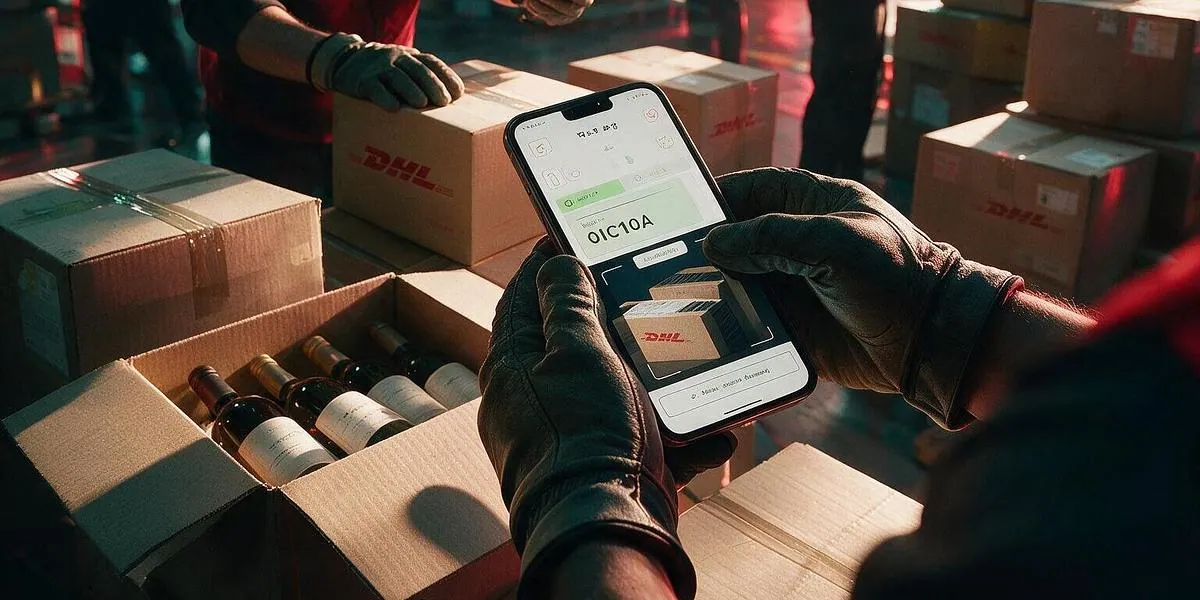
The new system gave DHL a more reliable data foundation for managing warehouse operations. With worker activity, timestamps, inventory movement, and damage incidents captured more consistently, managers had better information to investigate issues, identify recurring patterns, and understand where processes could be improved.
That gave DHL a stronger basis for preventing recurring issues and making data-informed decisions around handling, workflows, and warehouse efficiency areas directly connected to operational time, product loss, and cost.
Key learning:
Software modernization is more than replacing technology, and software modernization services do not always begin with replacing a codebase. In complex logistics settings, the harder problem can be understanding the systems, workflows, people, physical constraints, and exceptions already surrounding the technology. That makes supply chain modernization as much an operational challenge as a technical one.
For logistics digital transformation to work in practice, the software has to reflect how work actually happens on the ground, not how a clean process diagram says it should happen.
The project also reinforced the value of involving engineering early in the design process, so implementation constraints can inform product decisions before development begins. This is particularly relevant for operations and digital transformation teams modernizing complex logistics workflows within an established operational environment.
Ready to modernize your existing supply chain operation? You do not always need to start by replacing everything around you.
Get startedFrequently asked questions
Can an existing warehouse operation be modernized without replacing everything at once?
Yes. This project used progressive testing and rollout by warehouse section rather than changing the entire operation simultaneously. The right approach depends on the existing systems, operational constraints, and risk of interruption.
What should be evaluated before building new supply chain software?
The software is only one part of the system. Existing workflows, users, devices, physical locations, exceptions, accountability requirements, and operational dependencies should be understood before deciding how the digital solution should work.
Can a new development team work within an operation it did not originally design?
Yes, but that does not necessarily mean reusing the existing codebase. In this project, the team worked within an established warehouse operation while building a new mobile solution rather than taking over the previous software itself.
Why use a progressive rollout for warehouse software?
Because changing a live operational workflow introduces adoption and continuity risk. Testing with real workers and expanding section by section allows teams to validate how software behaves under actual operating conditions before widening adoption.
What should application modernization services consider in a live logistics environment?
They should account for more than the existing software. Workflows, users, devices, physical constraints, operational dependencies, and the risk of interruption all influence how modernization should be approached.