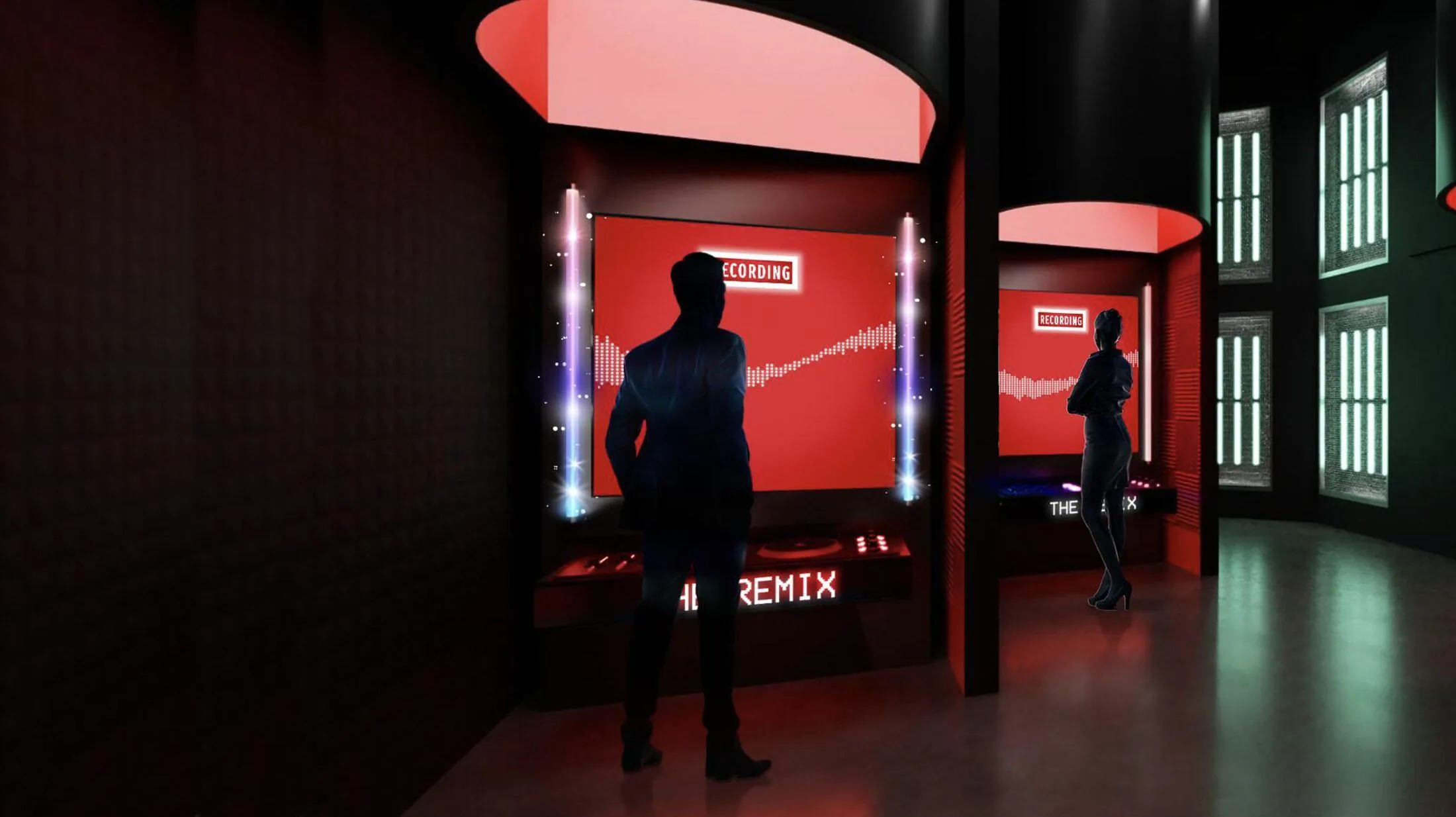

Interactive Web Experience for Museum Visitors
No-download interactive web experience
The Coca-Cola Remix Experience invited museum visitors to create their own music remix at an interactive console. To extend the experience beyond the physical installation, Eagerworks built a Google Cloud–based backend that delivered each visitor’s personalized media via a QR code and a unique, shareable mobile web page, no app required.
Impact at a glance
100K
Monthly visitors successfully engaged through the experience
Tailored
A personalized result for every visitor
Zero
0 Required app downloads or sign-ups
Listen, watch, share
With a single scan, three outcomes were delivered
About the Client
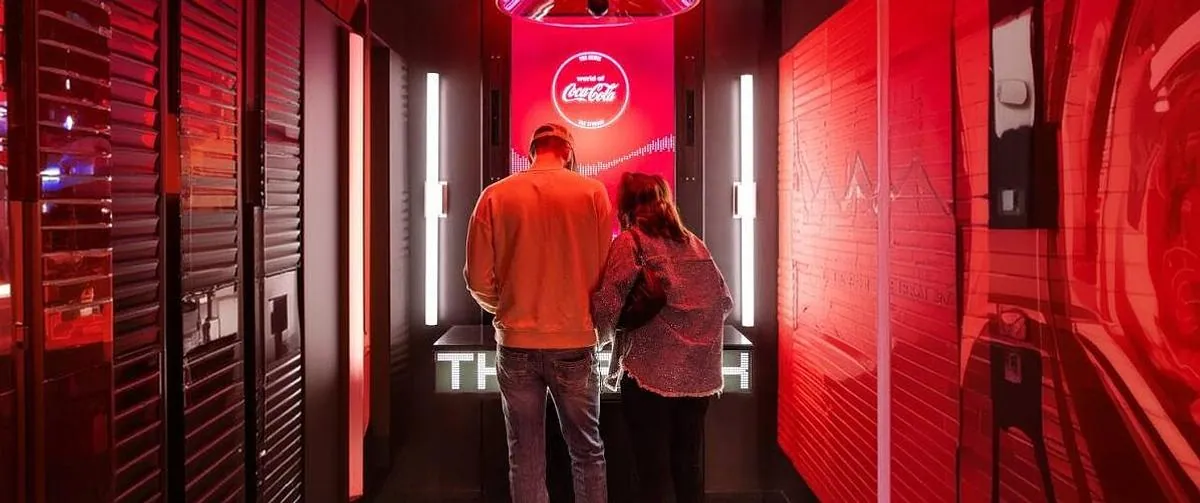
The Coca-Cola Remix Experience was created for World of Coca-Cola in Atlanta, an attraction where visitors engage with the brand through physical and digital experiences while exploring Coca-Cola’s history through historic artifacts, multimedia exhibits and beverages from around the world. The attraction is designed to bring visitors closer to the brand through interactive installations that transform passive visits into memorable experiences.
How could Coca-Cola extend a one-time museum interaction into a personalized digital experience beyond the physical installation?
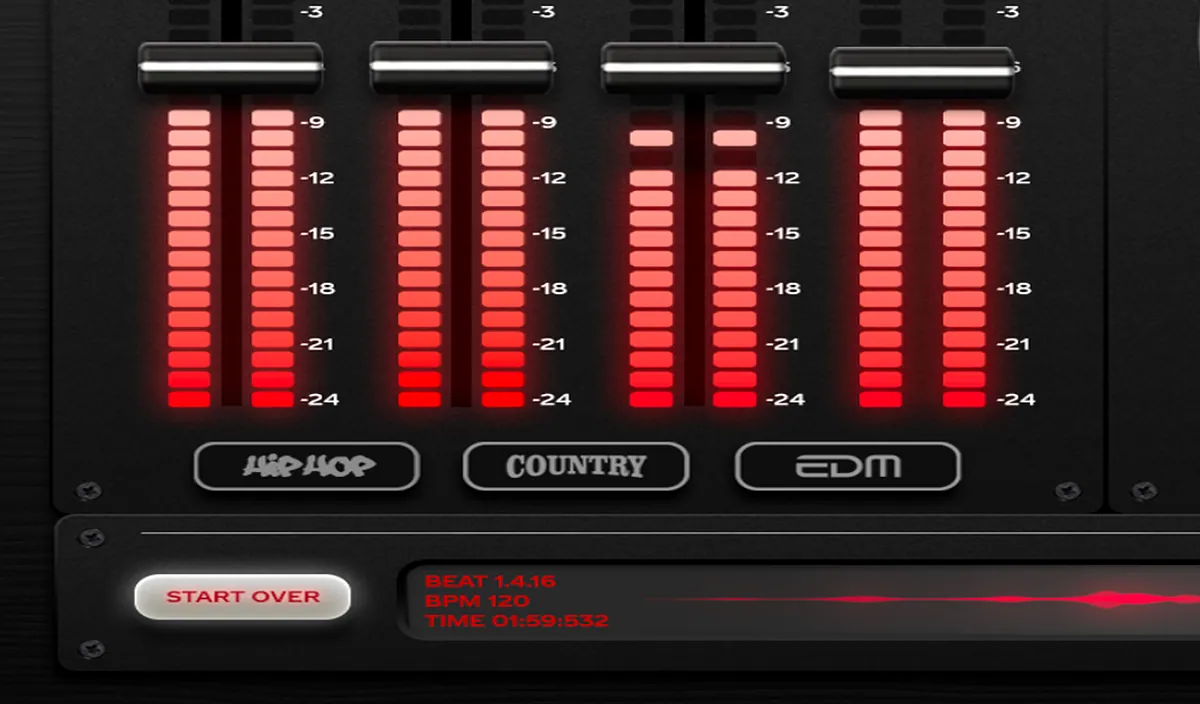
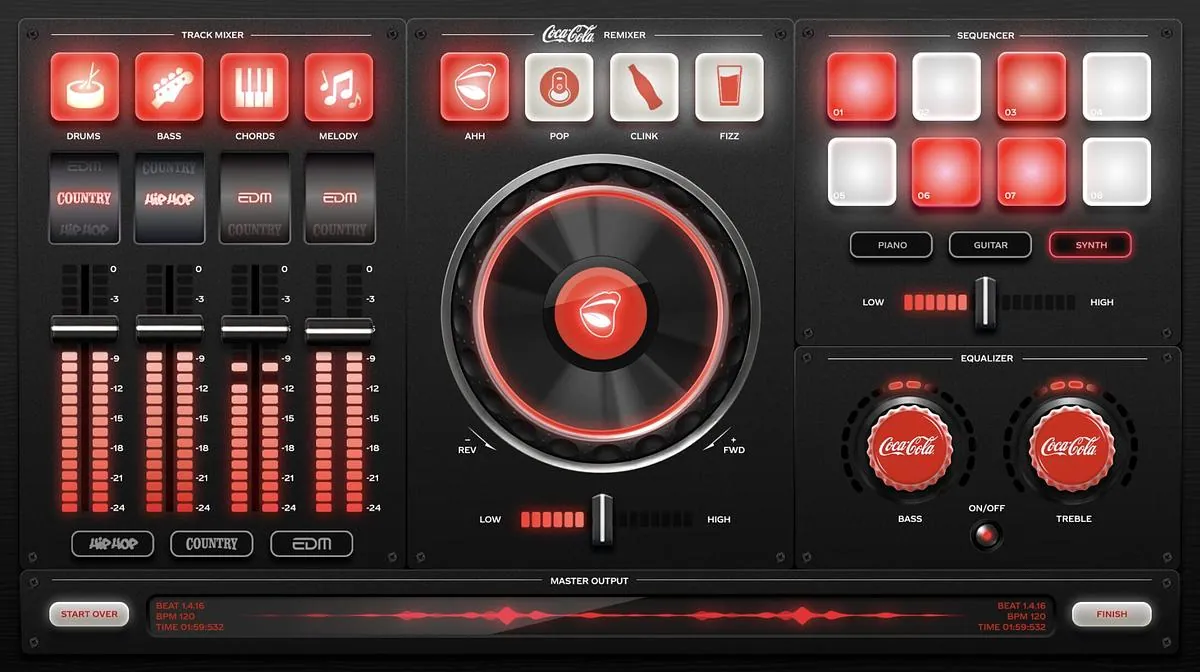
The Coca-Cola Remix Experience was an interactive brand experience that invited museum visitors to create a song remix using a large console to combine music styles with recognizable Coca-Cola sounds, such as bottles opening, cans being opened and carbonation sounds.
However, Coca-Cola didn’t want the value of the interaction to depend on the experience of the museum console. The company needed a system that connected each visitor session to the correct song, provided immediate access without an app or account, and made the result easy to share.
By turning a temporary museum moment into a personalized digital brand experience that visitors could take with them (giving each visitor access to their song, accompanying video and a shareable link) Coca-Cola wanted the experience to continue after visitors left the physical installation while reaching people who had never visited the museum.
This allowed the brand to extend participation, create additional customer touchpoints and stay top of mind with its audience, transforming a one-time interaction into an ongoing brand experience. By turning one memorable experience into sustained engagement and stronger brand recall, Coca-Cola could ultimately foster greater brand loyalty and deeper customer relationships.
That was where we came in. We translated a creative concept into a production-ready system capable of delivering thousands of personalized experiences with minimal friction. To make that possible, we designed the backend architecture and media flow that connected the museum console, generated media, and each visitor’s mobile device. This ensured every completed session was seamlessly linked to the correct song, video, and web page.
The project combined kiosk software development that connected the museum console with a custom web application and a QR code activation. Together, these elements supported the complete visitor journey:
- The visitor created a song on the museum console.
- The song and accompanying video were connected to the session.
- The system generated a unique QR code.
- The visitor scanned the code.
- The shareable web page opened in a mobile browser.
- The visitor could listen to, watch or share the result from their phone.
Want to turn your idea into a live experience too?
Talk to our teamWhat was at risk in the final digital handoff?
The handoff wasn’t just a technical step. It was the visitor’s last moment in the experience and Coca-Cola’s final brand touchpoint inside the museum.
By that point, each visitor had already invested time creating something personal. If they could not retrieve the correct song and video (or if the process felt confusing) the experience could have ended without delivering the payoff promised at the console.
That would have mattered beyond usability. A weak final step could have put three things at risk:
- The visitor’s sense of ownership over the result.
- The consistency of Coca-Cola’s brand experience.
- The value of the creative and operational investment behind the installation.
The quality of the digital customer experience therefore depended on the handoff working consistently for every completed session.
What did Eagerworks build for Coca-Cola’s interactive museum experience?
The project required one coordinated system across product logic, cloud infrastructure, media delivery and the final handoff. We took ownership of the backend foundation, so each console session led to the correct result without adding friction for the visitor. Our objective was simple, to make the defined experience dependable, accessible and operationally realistic.
We worked as the backend development partner within a multi-party delivery team. With the creative concept and visual interface already defined by other teams, our team translated the visitor journey into technical requirements, coordinated dependencies across the broader team and supported the experience through launch.
In a nutshell, our custom web application development scope included:
- Defining the backend architecture and business logic.
- Translating the visitor journey into system states and technical requirements.
- Managing the backend flow behind each completed result.
- Coordinating integration with the broader delivery team.
- Preparing the system for deployment and post-launch support.
Planning a public-facing digital experience? Let’s discuss your architecture before technical decisions become launch constraints.
Talk to our teamWhich technical decisions enhanced the visitor journey?
We prioritized compatibility, maintainability and low visitor friction over technical novelty or unnecessary product complexities.
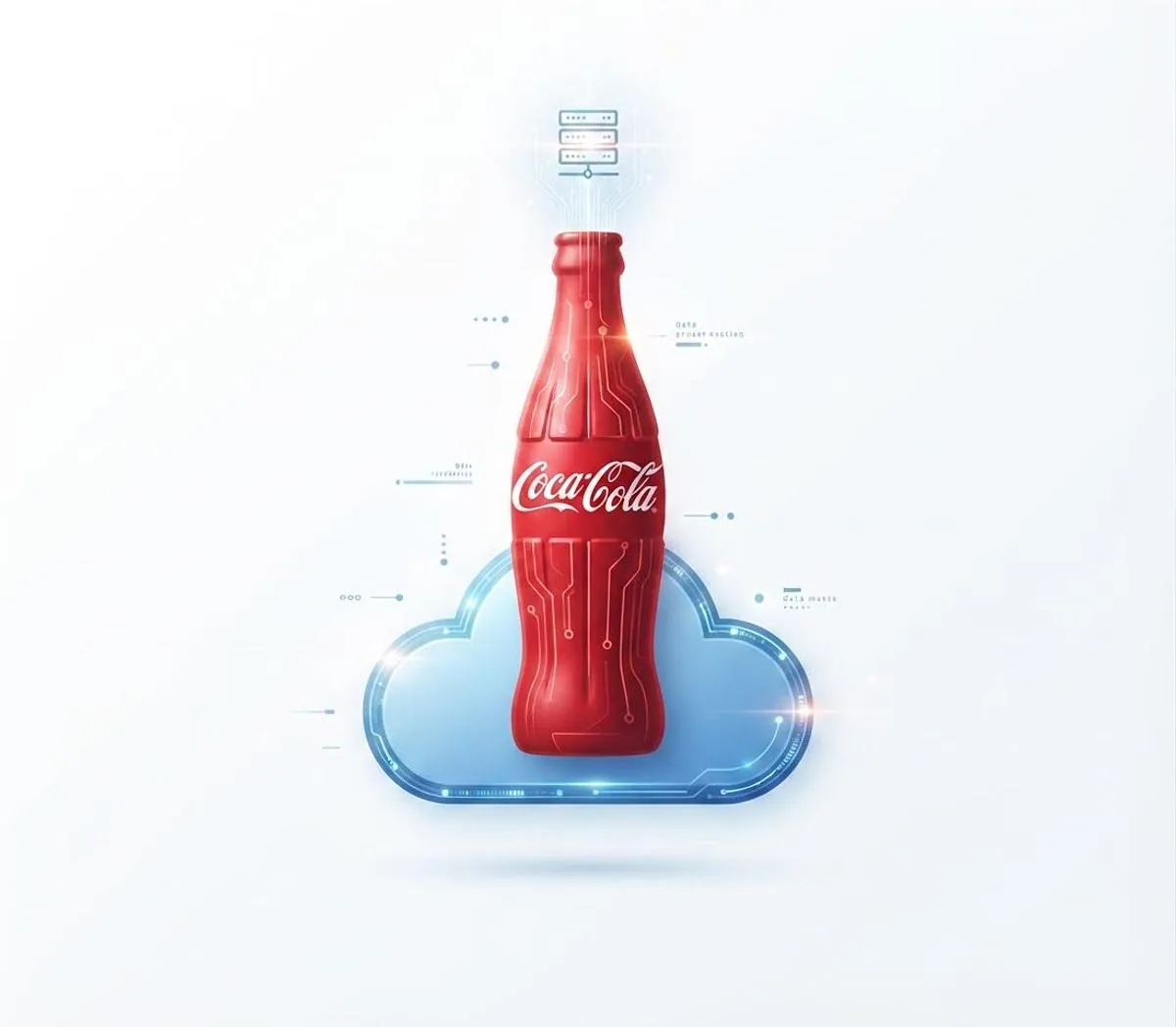
Building within Coca-Cola’s Google Cloud environment
The solution used Google Cloud because it aligned with Coca-Cola’s established technology environment.
This reduced the need to introduce unfamiliar infrastructure or external service dependencies and helped keep the system consistent with the client’s broader technical standards.
Trade-off: The architecture was designed around compatibility with the client’s ecosystem rather than selecting cloud infrastructure independently.
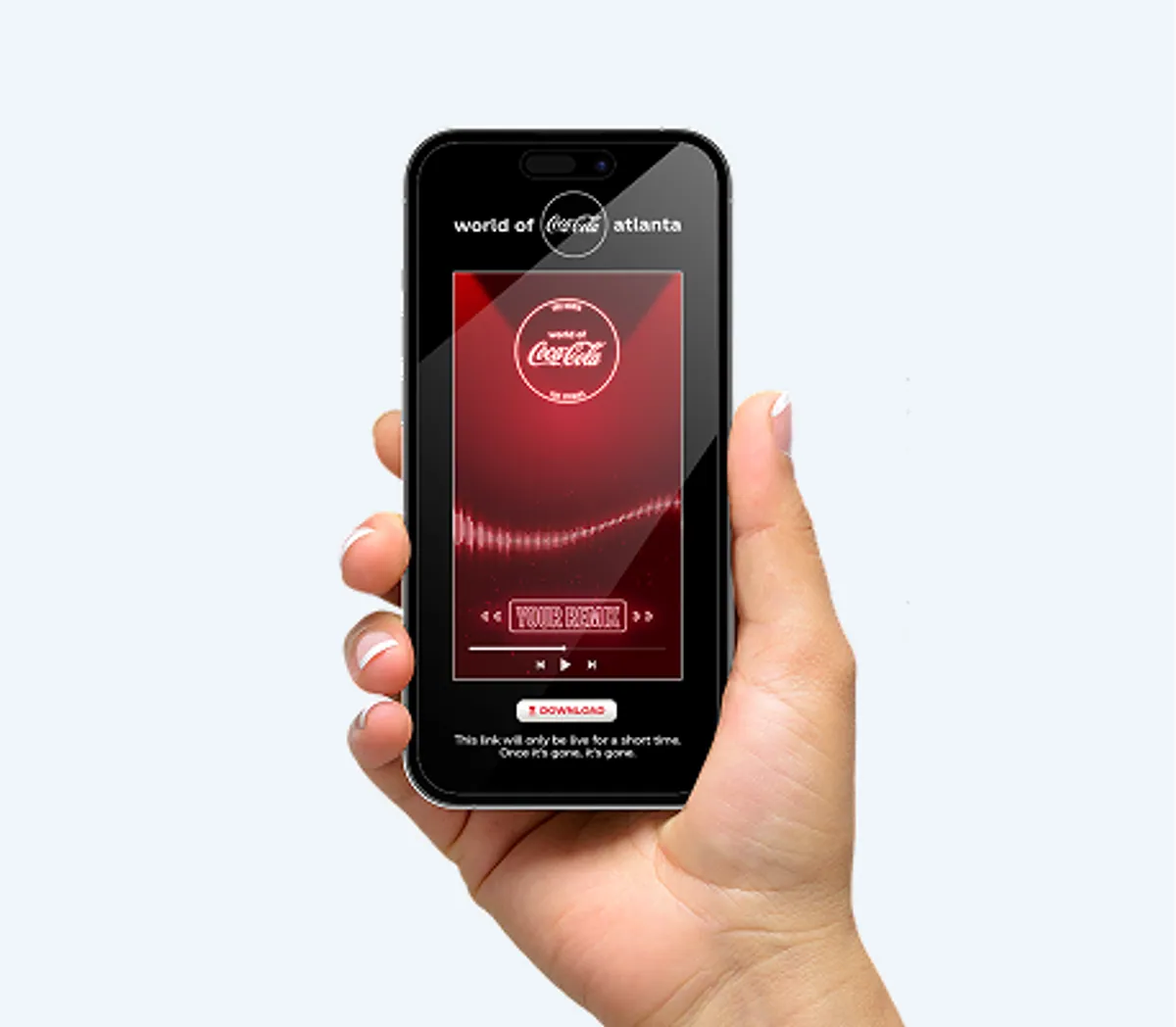
Creating a QR-based browser experience
Opening the result directly in the visitor’s mobile browser removed installation, onboarding and account creation from the handoff.
Requiring a native app would have added installation, onboarding and potentially account creation to a short museum interaction.
Trade-off: A web page didn’t create the persistent presence of an installed app, but it was better suited to an immediate, one-time handoff.
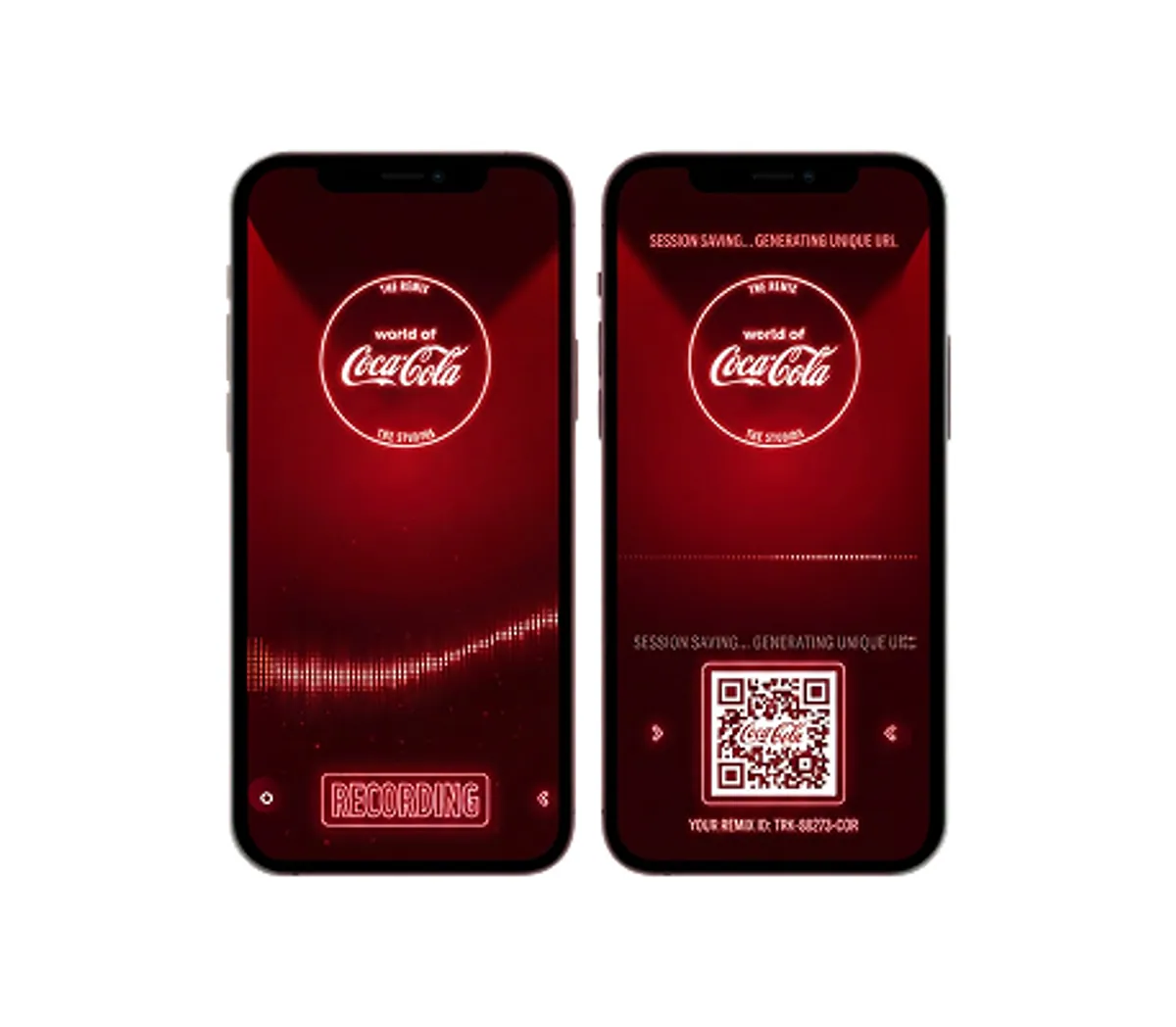
Generating a unique page for every remix
Each completed session produced its own QR code and URL.
The page contained the visitor’s song and accompanying video, preserving the connection between what they created on the console and what they received afterward.
This made every completed session a personalized brand experience rather than sending all visitors to the same generic destination.
Trade-off: Personalized media pages required more deliberate session and access management than a static QR redirect.
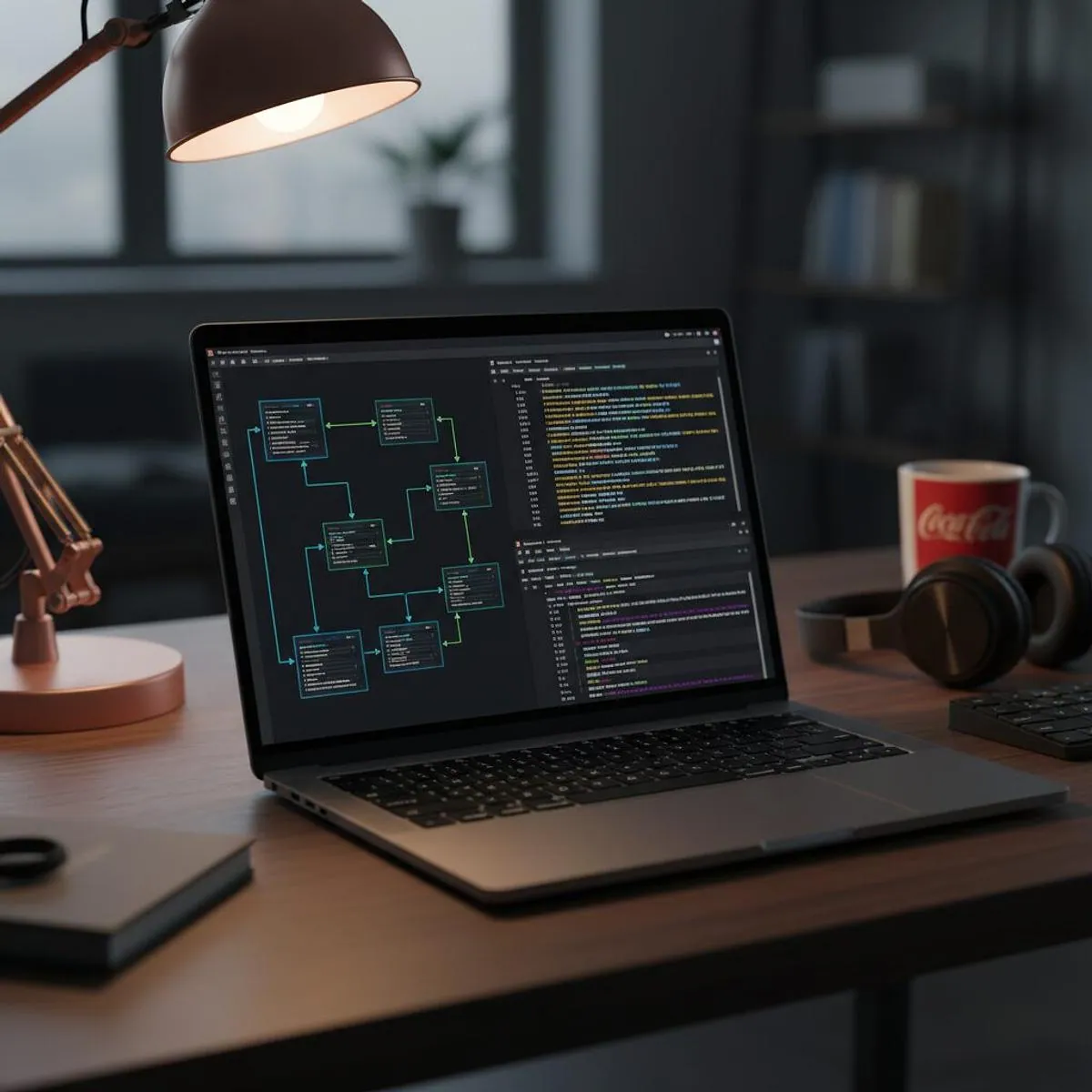
Choosing proven backend technology
Ruby on Rails provided a mature foundation for the application’s business logic and backend flow, supporting maintainability after launch.
The goal was not to introduce novelty. It was to support a public-facing experience that could continue operating after launch.
Together, these decisions helped turn the installation into a sustainable digital brand experience rather than an isolated physical interaction.
Want the architecture reasoning behind decisions like these for your own project?
Talk to our teamWhat changed after launch?
The experience became portable. Visitors left with a result tied to their own session, while every completed remix became a shareable brand touchpoint outside the museum.
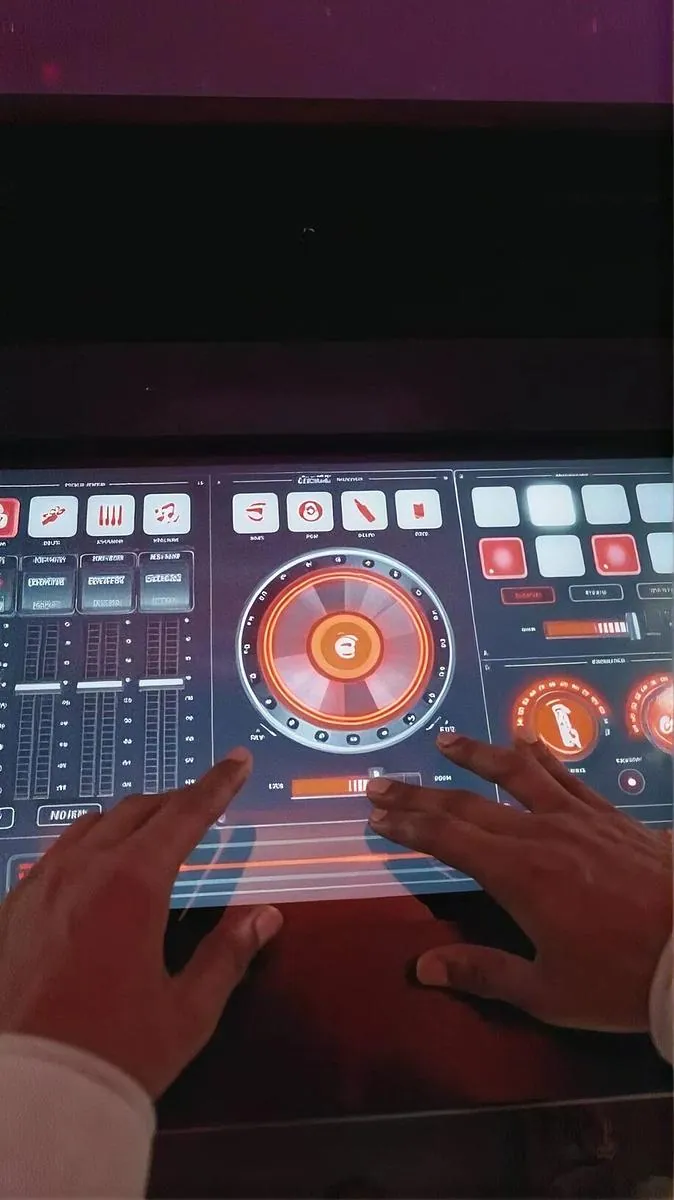
For visitors
Before, the creative interaction existed only on a shared museum console.
After completing a remix, visitors left with the song and video created during their session, accessible through a page on their own phones. The result could be replayed or shared.
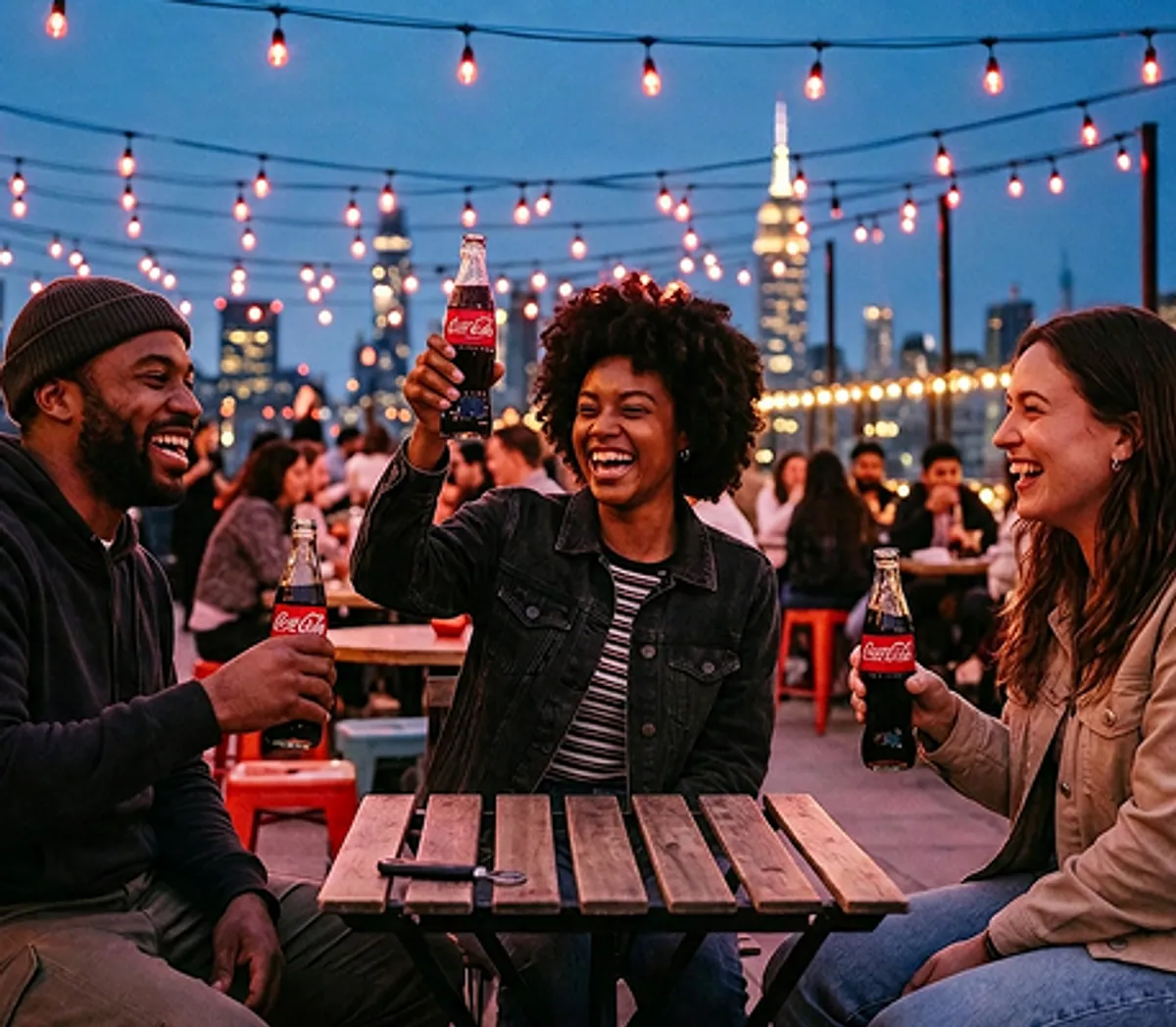
For Coca-Cola
The interaction could travel with the visitor and reach people who had not been at the museum, instead of depending entirely on the shared console to retain its value.
At the same time, the system remained manageable within Coca-Cola’s existing technology environment, helping protect the consistency of the experience after launch.
What impact did Eagerworks’ solution have for Coca-Cola?
The solution changed the visitor’s role from audience member to active participant. Coca-Cola’s recognizable sounds became material for something visitors created themselves, while the final handoff preserved the momentum of that moment.
The solution:
- Turned brand recognition into active participation.
- Gave visitors a digital takeaway tied to their session.
- Every completed session continued outside the museum instead of ending at the kiosk.
- Created an organic sharing path through individual links.
- Avoided the friction of an app download or account creation.
Key learning:
This demonstrated how interactive experiences create lasting value when the technical decisions protect momentum, remove friction and allow the experience to continue after the physical interaction ends to maximize value and user experiences.
The visible installation was only one part of the product. Behind it, the architecture determined whether visitors could receive what they created, whether each result remained personal and whether the experience could be shared beyond the museum.
Because of that, effective experiential marketing technology should make an experience easier to continue, not more complicated to access. So, in this case, the strongest decision was not adding another product; it was removing the unnecessary steps between creation and connection.
Have an interactive concept to bring to life? Let’s discuss how to turn it into a reliable product.
Get startedFrequently asked questions
Why did the experience use QR code instead of an app?
Opening the result directly in the visitor’s mobile browser removed installation, onboarding and account creation from the handoff, which suited a short museum interaction.
How early should a software team get involved in an interactive experience?
Early enough to translate the visitor journey into technical requirements before creative and hardware decisions become launch constraints.
Can Eagerworks work alongside an internal team or creative agency with an existing concept?
Yes. On this project we worked as the backend development partner within a multi-party delivery team, with the creative concept and visual interface already defined by other teams.
How do you know whether an interactive experience needs custom software?
When the experience must connect physical interactions with personalized digital results, off-the-shelf tools rarely cover the complete visitor journey.
How do you reduce risk before building an interactive experience?
We start by mapping the complete visitor journey, including what happens before, during and after the visible interaction. From there, we identify dependencies, clarify ownership, challenge unnecessary steps and select technology based on operational needs rather than novelty.